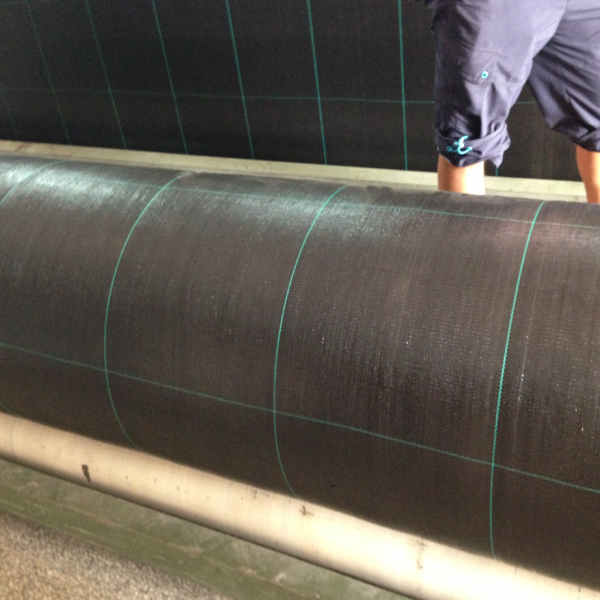
The Role and Advantages of Weed Control Fabric in Modern Agriculture

As agricultural practices evolve, there is a growing need for effective and sustainable solutions for farmland management. Weed control fabric, a form of agricultural ground cover, has gained widespread adoption due to its multifaceted benefits. This article outlines its primary functions and advantages in farming operations.
1. Effective Weed Suppression
Weeds compete with crops for vital nutrients, water, and sunlight. Weed control fabric acts as a physical barrier, blocking sunlight to prevent weed germination and growth. This method significantly reduces or eliminates the need for manual weeding or chemical herbicides, lowering labor costs and improving overall farm management efficiency.
2. Soil Moisture Conservation
The fabric reduces water evaporation from the soil surface, helping to maintain consistent soil moisture levels. This is particularly beneficial in arid regions or during dry seasons, as it conserves water, reduces irrigation frequency, and supports healthier crop growth, potentially improving yield and quality.
3. Prevention of Soil Erosion
Soil erosion from wind and water runoff degrades land quality and reduces fertility. By covering and stabilizing the soil surface, weed control fabric minimizes the impact of rain and wind, protecting soil structure and preventing nutrient loss. This contributes to long-term soil health and productivity.
4. Temperature Regulation and Crop Protection
In cooler climates, the fabric can provide mild insulation to the soil, protecting plant roots from temperature extremes. It also creates a barrier that can reduce splash-borne soil diseases and hinder the movement of certain pests, offering a form of physical crop protection.
5. Environmental Sustainability
Using weed control fabric aligns with sustainable farming by minimizing dependence on chemical herbicides, thereby reducing potential soil and water contamination. It supports a cleaner farming ecosystem and can contribute to maintaining biodiversity.
Key Features of Quality Weed Control Fabric
When selecting a weed control fabric, consider products that offer the following advantages:
-
Durable Material: High-quality polypropylene (PP) or similar fabrics offer superior strength, tear resistance, and longevity.
-
Permeability: An effective fabric allows water and air to penetrate to the soil while blocking light, ensuring proper irrigation and soil gas exchange.
-
Customization: Availability in various sizes and weights allows farmers to select the best fit for different applications, from small garden beds to large commercial fields.
-
UV Stabilization: Treatment for UV resistance is essential to prevent degradation and extend the fabric's usable life under direct sunlight.
Conclusion
In summary, weed control fabric is a versatile tool that addresses several key challenges in agriculture. Its ability to suppress weeds, conserve water, prevent erosion, moderate soil temperature, and support environmentally friendly practices makes it a valuable component of efficient and sustainable farm management. As the agricultural sector advances, the use of such fabric is poised to become even more integral to productive and responsible farming.
Three Key Advantages of Square Grid Weed Control Fabric
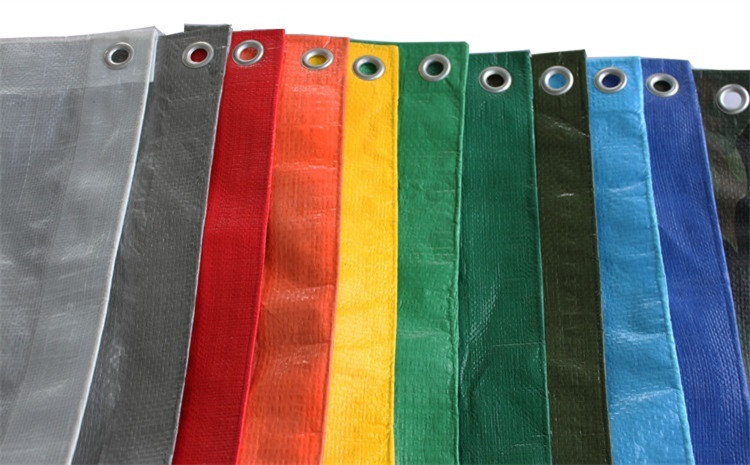
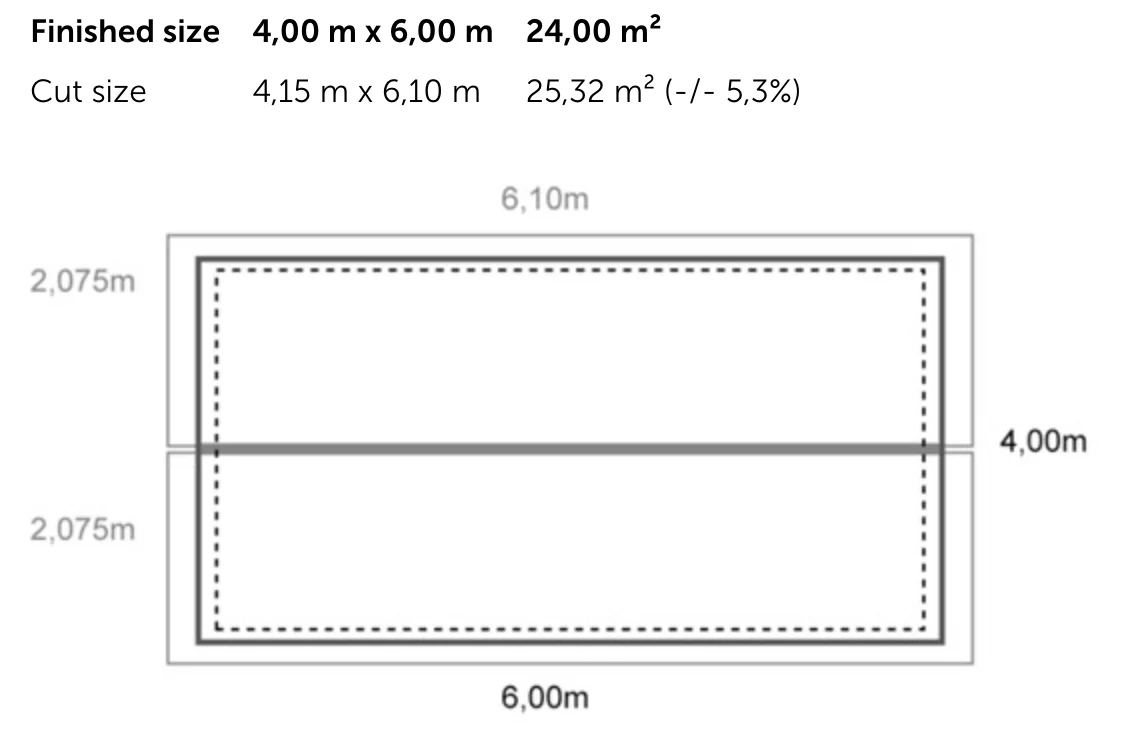
Choosing the Right Tarpaulin