Choosing the Right Tarpaulin
Understanding Tarpaulin Specifications: A Technical Guide by PLUMMAY
Selecting the right tarpaulin requires understanding key specifications that directly impact performance and longevity. This guide explains the critical metrics of thickness, weight, and material to empower your decision-making.
Core Specifications: Decoding Thickness, Weight, and GSM
Performance hinges on three interlinked specs:
-
Thickness (Mils): Measured in mils (1/1000th of an inch), this indicates puncture resistance.
-
Weight & GSM: Grams per Square Meter (GSM) measures fabric density. Higher GSM denotes a heavier, more durable material.
Industry Benchmarks:
-
Heavy-Duty: Tarps with 250+ GSM and 12-18 mils thickness offer an optimal balance of tear resistance and flexibility, capable of withstanding high wind loads. This durability can reduce replacement costs by 30-40%.
-
Medium-Duty: 8-12 mils (150-220 GSM) is common for polyethylene (PE) tarps, suitable for temporary use.
-
Light-Duty: Tarps around 6-8 mils (100-150 GSM) are for very short-term, light applications but degrade significantly faster under UV exposure.
Note on Strength: Thickness alone doesn't guarantee strength. A 2023 study found a 10-mil tarp with a tight weave outperformed a 12-mil one with a looser weave by 40% in tear resistance. At PLUMMAY, we engineer for optimal weave density and coating integrity.
Material Comparison: PE, PVC, and Canvas
|
Material |
Typical Thickness/GSM |
Key Properties |
Best For |
Expected Lifespan (Outdoor) |
|---|---|---|---|---|
|
Polyethylene (PE) |
8-12 mils / 150-220 GSM |
Lightweight, cost-effective, water-resistant. Moderate UV/abrasion resistance. |
Temporary covers, short-term cargo protection, light-duty use. |
1-3 years |
|
PVC-Coated |
Up to 18+ mils / 600+ GSM |
Excellent waterproofing, high tear strength, superior UV & temperature resistance. |
Long-term industrial use, heavy machinery covers, permanent outdoor shelters. |
5-7+ years |
|
Canvas |
~300 GSM (woven) |
Breathable, traditional, eco-friendly (if natural). Requires treatment for water resistance. |
Agricultural storage (hay, grains), event tents, applications where condensation is a concern. |
2-5 years (with maintenance) |
Durability & Cost Analysis:
While PE tarps have a lower upfront cost, PVC's superior longevity and strength (3x the tear resistance of PE, as per industry reports) often make it more cost-effective over time. PVC also maintains flexibility in a wider temperature range (up to 140°F/60°C).
Advanced Features: Waterproofing & UV Resistance
Modern tarps from PLUMMAY integrate advanced coatings:
-
Waterproofing: Multi-layer PE/PVC coatings with water-repellent additives create a robust barrier. Thicker coatings (e.g., 12-mil vs. 8-mil) significantly enhance water holdout performance.
-
UV Resistance: High-quality tarps are manufactured with UV inhibitors integrated into the fabric, not just surface-coated. This technology blocks up to 98% of harmful UV rays, preventing rapid tensile strength loss and extending service life to 5-7 years in harsh sunlight.
Selecting the Right Tarpaulin: A Practical Guide
Follow this decision framework for your application:
1. Assess Primary Need:
-
Long-term Outdoor/Heavy-Duty: Choose PVC, high GSM (350+), and thickness (14+ mils).
-
Temporary/Cost-Sensitive: PE tarps with medium GSM are suitable.
-
Breathable Storage: Consider treated canvas.
2. Match to Environment:
-
Rain/Snow: Prioritize high waterproof ratings and welded seams.
-
Intense Sun: Ensure ≥95% UV protection rating.
-
High Wind: Select high GSM fabric with reinforced hems and rust-proof eyelets spaced ≤2 feet apart.
3. Calculate Size:
Always include a buffer for securing. Use this formula to minimize waste:
(Length + 2-ft buffer) x (Width + 2-ft buffer) ÷ Fabric Roll Width (e.g., 8 ft)
Industry Trends for 2025
PLUMMAY is at the forefront of integrating next-generation features:
-
Sustainability: Use of Post-Consumer Recycled (PCR) materials and development of biodegradable alternatives.
-
Smart Features: Growth in coatings with solar-reflective properties to reduce heat gain.
-
Performance Standards: Advanced products meet rigorous benchmarks for weathering resistance (e.g., >10,000 hours accelerated testing) and sustainability (ISO 14001).
Partner with PLUMMAY for Your Technical Needs
Choosing the correct tarpaulin is a technical decision that affects safety, efficiency, and total cost of ownership. By understanding GSM, thickness, and material properties, you can specify the ideal solution.
As a manufacturer with over 12 years of expertise in high-performance fabrics, PLUMMAY provides not only premium materials but also the technical guidance to ensure perfect application matching. Contact us to discuss your project's specific requirements and receive a tailored solution.
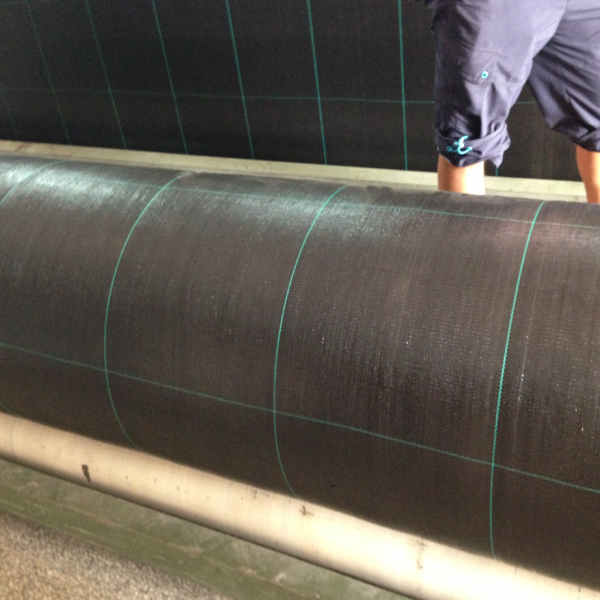
The Role and Advantages of Weed Control Fabric in Modern Agriculture
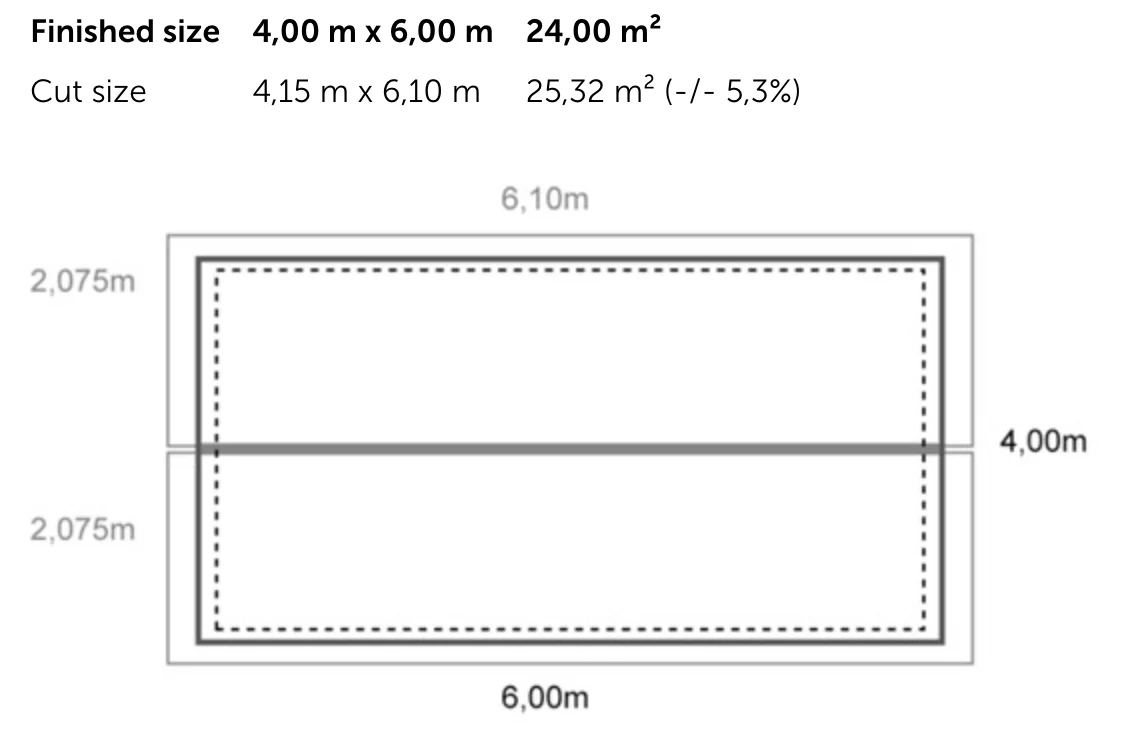
The difference between a cut size and a finished size for tarpaulins
Related Article