


Fiberglass Mesh| High‑Performance Alkali‑Resistant Reinforcement Mesh
PM-FGMN001
Fiberglass mesh is a woven reinforcement material made from alkali- and rust-resistant fibers. It is primarily used in construction and renovation for reinforcing wall surfaces, ceilings, and stucco layers. The mesh prevents surface cracking, enhances structural stability, and provides consistent support for plaster or mortar applications.
Quantity:
Plummay Fiberglass mesh (also called fiberglass reinforcement mesh, alkali‑resistant mesh or construction mesh) is an affordable yet highly durable material widely used for reinforcing walls, ceilings, insulation systems, plastering and stucco applications in the construction industry. Its excellent chemical stability and mechanical performance make it ideal for both exterior wall systems and interior plaster surfaces.
Key Features & Advantages
Stable Chemical Properties Made from high‑quality alkali‑resistant fiberglass yarn, this mesh is immune to rust, decomposition and environmental corrosion. It maintains high strength and dimensional stability under temperature and humidity changes.
Safe and Long‑Lasting Unlike traditional coatings or paints that may emit toxic substances, fiberglass mesh is non‑toxic, safe for indoor environments, and designed to with long life span.
Crack Prevention & Easy Installation Fiberglass mesh reinforces plaster and mortar surfaces to prevent cracking, bulging or fraying. It’s lightweight and easy to embed with plaster or adhesive, offering a quick, reliable installation process.
Available Fiberglass Mesh Specifications
| Specification | Options |
| Material | 100% C Glass E Glass Fiberglass Yarn |
| Mesh Shape | Square |
| Color Options | White, Black, Orange, Yellow, Blue, Green, Red |
| Weight Range (g/m²) | 45, 60, 75, 90, 120, 145, 160, 180, 185gsm |
| Grid Sizes | 2×2 mm, 2.85×2.85 mm, 4×4 mm, 5×5 mm, etc. |
| Roll Lengths | 1×50 m, 1×100 m, 1×200 m |
| Width Range | 100–200 cm (customizable) |
Notes: Custom weights, grid sizes, roll lengths, colors and packaging are available upon request.
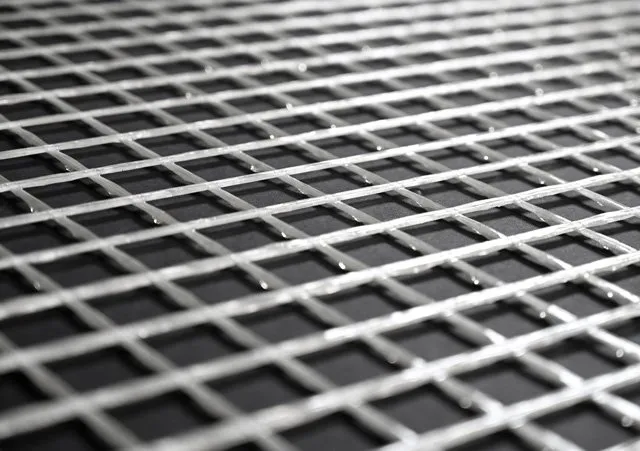
Fiberglass Mesh by Weight Category
45 gsm Fiberglass Mesh – Light Duty Reinforcement
45 gsm is the lightest fiberglass mesh weight, ideal for applications requiring excellent alkali and heat resistance, including:
Exterior Insulation and Finish Systems (EIFS)
Roofing reinforcement
Backing support for marble and mosaic tiles
Market Trend: Highly popular in the UAE with grid sizes 2.5×2.5 mm and 2.85×2.85 mm.
145 gsm Fiberglass Mesh – Medium Density Reinforcement
145 gsm mesh offers high density and minimal deformation, perfect for crack prevention and surface stability. It is widely used for both indoor and outdoor waterproofing and structural reinforcement.
Regional Demand: Strong demand across Russia, especially with a 4×4 mm grid in blue.
145 gsm mesh offers high density and minimal deformation, perfect for crack prevention and surface stability. It is widely used for both indoor and outdoor waterproofing and structural reinforcement.
Regional Demand: Strong demand across Russia, especially with a 4×4 mm grid in blue.
160 gsm Fiberglass Mesh – Most Popular Choice
Recognized as the most versatile and widely used fiberglass mesh, 160 gsm is recommended for:
Exterior wall reinforcement
Mortar and plaster reinforcement
Cement boards (e.g., gypsum and insulation boards)
Insulation layer reinforcement
160 gsm offers optimum balance between strength and flexibility and suits major construction and building reinforcement applications worldwide.
Recognized as the most versatile and widely used fiberglass mesh, 160 gsm is recommended for:
Exterior wall reinforcement
Mortar and plaster reinforcement
Cement boards (e.g., gypsum and insulation boards)
Insulation layer reinforcement
160 gsm offers optimum balance between strength and flexibility and suits major construction and building reinforcement applications worldwide.
How to Install Fiberglass Mesh
Step‑by‑Step Installation Guide:
Apply a base layer of plaster or adhesive onto the target surface.
Cut fiberglass mesh with enough allowance for overlaps.
Place the mesh onto the surface, ensuring it is smooth, with no bubbles or wrinkles.
Apply plaster over the overlaps to secure bonding.
Cover with a final top layer of plaster for a complete finish.
This method ensures excellent adhesion, structural stability and crack prevention.
Manufacturing Capability
PLUMMAY operates vertically integrated production covering: Yarn drawing, Warping, Weaving, Coating,, Finishing, Packaging. Our advantages of integrated manufacturing:
Stable product quality
Consistent specifications
Controlled lead times
Flexible customization
Reliable bulk supply
Daily production capacity supports large-volume international project orders.
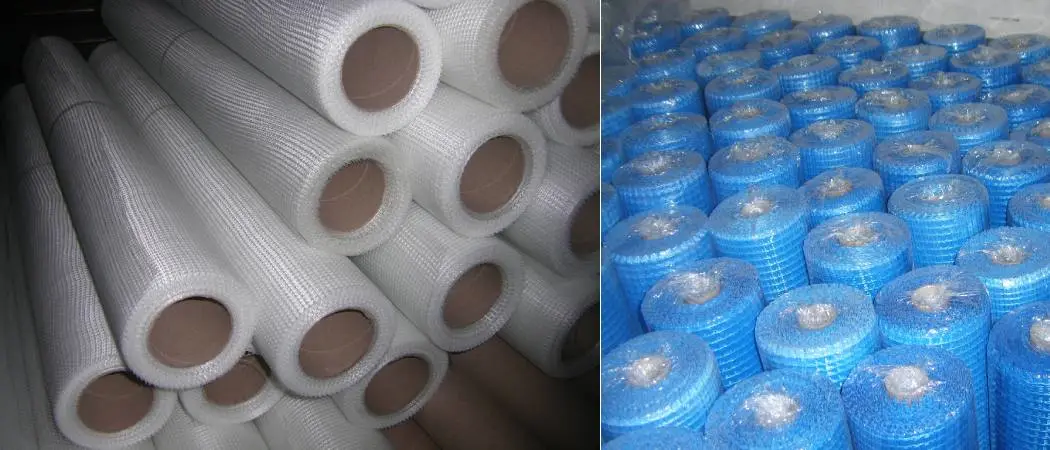
Quality Control System
Quality assurance procedures include:
Inspection checkpoints at each production stage
Routine tensile strength testing
Adhesion performance verification
Batch traceability system
Root-cause analysis for defects
This systematic quality management ensures every shipment meets technical specifications and buyer requirements.
Top Applications of Fiberglass Mesh
Concrete Reinforcement
Fiberglass mesh is widely applied in both interior and exterior concrete wall systems as a reinforcement layer. When embedded into wet render or repair mortar, it improves structural integrity while helping repair cracks, holes, and surface defects. Compared with traditional steel mesh, it offers corrosion resistance, alkali stability, lighter weight, and easier handling. These advantages make it a cost-efficient reinforcement solution with long service life in concrete construction.
Plastering Systems
In plaster and rendering applications, fiberglass mesh is embedded into wet base coats to strengthen the substrate and improve impact resistance. It stabilizes finishing layers that would otherwise be prone to shrinkage or cracking, helping maintain a uniform surface over time. The mesh structure distributes external stress evenly, allowing plaster systems to remain intact even under environmental or mechanical pressure. Installation is straightforward, making it a practical reinforcement choice for both contractors and installers.
Waterproofing Reinforcement
One of the most common uses of fiberglass mesh is within waterproofing systems, especially in areas exposed to frequent movement or traffic. When combined with liquid membranes or waterproof mortars, it enhances tensile strength and prevents coating failure. It is also frequently applied together with skim coatings to reinforce bridge cracks and material joints. By maintaining coating continuity while improving mechanical performance, fiberglass mesh plays a critical role in long-term waterproofing durability.
Screen Mesh Applications
Fiberglass screen mesh (Fiberglass mosquito net) is commonly used for windows, doors, patios, and enclosures to prevent insects, birds, and debris from entering indoor spaces. Typical mesh counts include 18×14, 18×16, 18×18, and 18×20 in colors such as black, charcoal, and grey. The material can be cut easily using standard tools, allowing flexible on-site installation. PVC-coated versions are particularly suitable for outdoor environments because they resist corrosion, staining, and weather exposure.
Recommend Products
