


Durable PP Woven Fabric | Woven Ground Cover
PM-PPWF001
High-quality Woven Ground Cover for agriculture, landscaping, and packaging. Durable, lightweight, and export-ready for Europe, Middle East, and USA markets.
Quantity:
High Strength Polypropylene Woven Fabric for Agriculture, Landscaping, and Construction
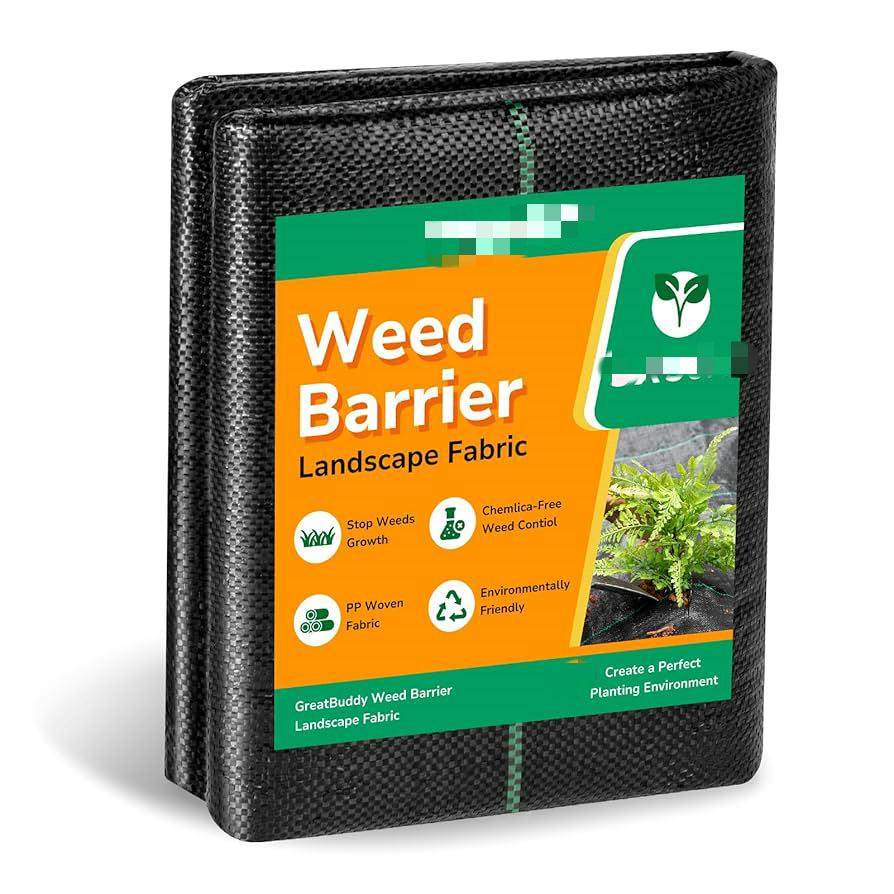
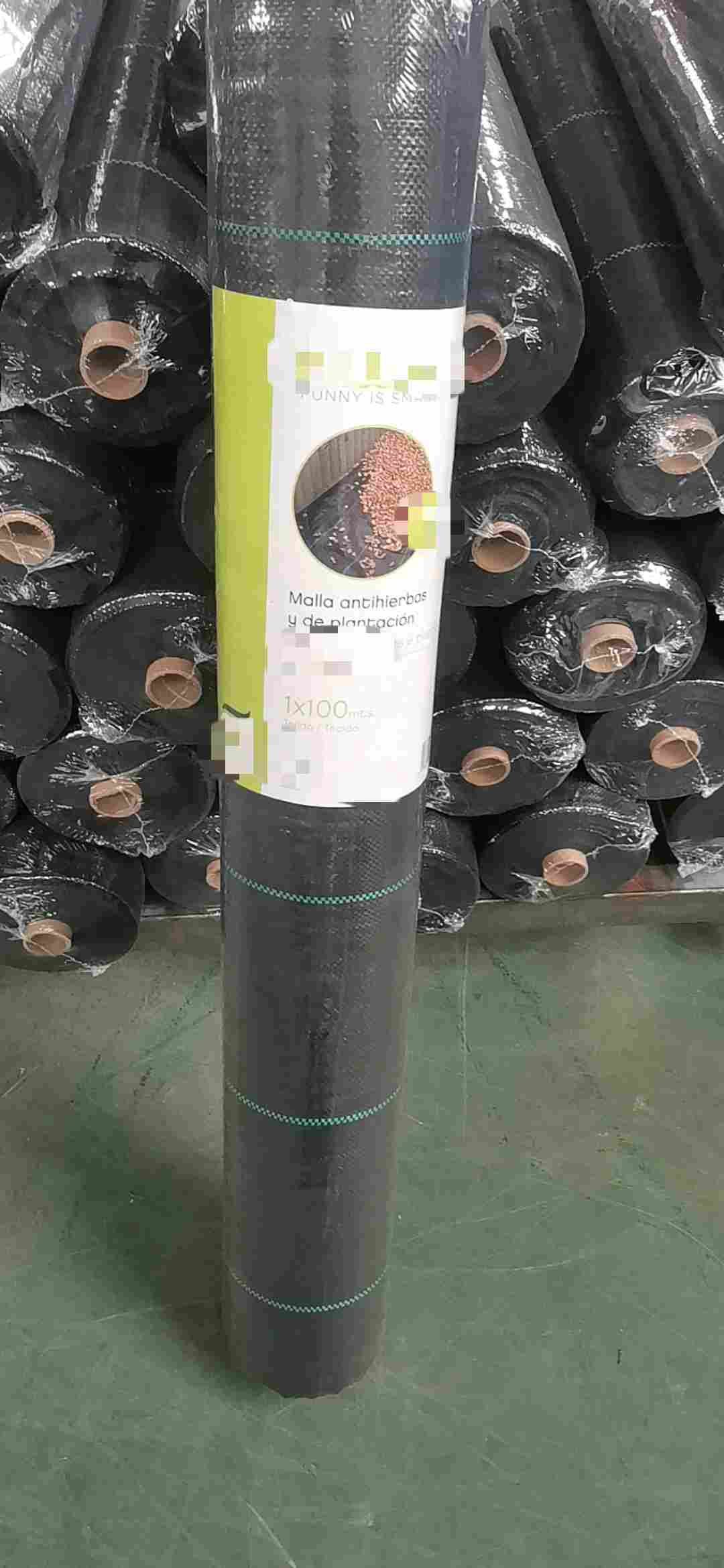
PP Woven Fabric is a durable polypropylene textile manufactured by weaving flat polypropylene tapes into a stable and high-strength fabric structure. The material provides excellent tensile strength, dimensional stability, and resistance to environmental conditions, making it suitable for a wide range of outdoor and industrial applications.
This type of woven fabric is widely used as the base material for products such as landscape fabric, weed control fabric, ground cover, silt fence materials, erosion control fabrics, and woven geotextiles.
At Plummay, PP woven fabrics are produced using multiple weaving technologies, allowing different mesh densities, edge constructions, and marking systems to meet the technical requirements of agricultural, landscaping, and civil engineering projects.

Key Features of PP Woven Fabric
High Tensile Strength
The woven polypropylene tape structure provides strong resistance to tearing and stretching, ensuring reliable performance in demanding outdoor environments.
Excellent Outdoor Durability
Polypropylene offers strong resistance to moisture, soil chemicals, and biological degradation, making the fabric suitable for long-term outdoor use.
UV Stabilization
UV stabilizers can be incorporated into the material to protect the fabric against long-term sunlight exposure and extend its service life.
Water Permeability
The woven structure allows water and air to pass through the fabric while maintaining soil stability, which is essential for landscaping and erosion control applications.
Flexible Manufacturing Options
PP woven fabrics can be produced with different mesh densities, weaving patterns, edge constructions, and marker line systems to suit specific project requirements.
Manufacturing Technologies
The weaving technology used during production has a significant impact on the structural characteristics and performance of the fabric. Plummay manufactures PP woven fabrics using three main weaving systems.

Water-Jet Loom
Water-jet looms are widely used for producing standard woven polypropylene fabrics with balanced strength and cost efficiency.
Typical mesh structures include: 8x8, 10x10, 12x12, 10x12, 10x16
These fabrics are commonly used in agriculture and landscaping applications such as weed control fabrics and ground covers.
Water-jet looms also allow the integration of woven longitudinal marker lines during the weaving process.
Circular Loom
Circular looms are commonly used to produce tubular woven structures and certain industrial woven fabrics.
This technology provides high production efficiency and stable fabric quality for standard woven materials used in basic agricultural or construction applications.
Circular loom fabrics are typically used where cost efficiency and consistent performance are required.
Sulzer Rapier Loom
Sulzer rapier looms are used to produce high-precision and high-density woven fabrics.
This technology allows the production of structures that cannot be manufactured using standard looms.
Sulzer looms are required for producing:
- High-density mesh structures such as 10x20 and 12x24
- Twill weaving patterns
- Square grid marker systems
- Reinforced fabric edges
Due to the more complex weaving process and lower production speed, fabrics produced with Sulzer looms generally belong to a higher-performance category.
Mesh Structures and Weaving Patterns
Different mesh densities and weaving structures can be selected depending on the application.
Standard Plain Weave
The most commonly used structure for agricultural and landscaping applications.
Typical mesh options include: 8x8, 10x10, 12x12, 10x12, 10x16
These fabrics are widely used for weed control fabrics and ground cover systems.
High Density Plain Weave
Higher density meshes provide stronger reinforcement and improved durability.
Examples include:
- 10 × 20
- 12 × 24
These fabrics are typically produced using Sulzer looms.
Twill Weave
Twill weaving increases tear resistance and improves structural durability.
This structure is often used in applications such as erosion control fabrics and woven geotextiles.
Integrated Marker Line Systems
Marker lines are commonly used in agricultural ground covers and nursery fabrics to guide plant spacing and installation alignment.
In Plummay fabrics, these lines are woven directly into the fabric structure during the weaving process, rather than printed on the surface.
This method offers several advantages:
- Marking lines do not fade or wear off
- Long-term visibility in outdoor environments
- Greater durability during installation
Available configurations include:
- Longitudinal planting guide lines
- Regular spacing marker lines
- Square grid marker systems
Grid marker systems require Sulzer loom production due to the complexity of the weaving process.

Edge Finishing Options
Edge construction influences fabric durability and resistance to tearing during installation.
Standard Edges
Standard edges are typically produced using water-jet looms or circular looms.
These edges are suitable for most agricultural and landscaping applications where installation stress is moderate.
Reinforced Edges
Reinforced edges include additional woven strengthening along both sides of the fabric.
These edges are produced using Sulzer looms, which allow additional structural reinforcement during the weaving process.
Reinforced edges provide:
- Higher tear resistance
- Improved durability during installation
- Better long-term performance in demanding environments
They are commonly used in nursery ground covers, erosion control fabrics, and construction applications.
Customization Options
PP woven fabrics can be customized according to different project requirements.
Fabric Structure Options
| Feature | Available Options | Notes |
| UV Stabilization | Optional | Improves outdoor lifespan |
| Fabric Color | Black, Green, White, Custom colors | Suitable for different applications |
| Edge Type | Standard / Reinforced | Reinforced edges produced with Sulzer Loom |
| Marker Line System | Warp lines / Grid lines | Used for planting guidance |
Packaging Options
| Parameter | Available Options | Notes |
| Packaging Type | Roll packaging / Folded packaging | Depends on product type |
| Roll Width | Customizable | Various installation needs |
| Roll Length | Customizable | Based on project requirements |
| OEM Packaging | Available | Private label options |
Weaving Technology Comparison
Different weaving technologies provide different structural characteristics.
| Parameter | Available Options | Notes |
| Fabric Weight | Various GSM options | Adjusted according to strength requirements |
| Mesh Density | 8×8, 10×10, 12×12, 10×12, 10×16 | Produced by Water-Jet or Circular Loom |
| High Density Mesh | 10×20, 12×24 | Produced using Sulzer Loom |
| Weaving Pattern | Plain Weave / Twill Weave | Twill provides higher tear resistance |
| Marker Lines | Longitudinal lines / Grid lines | Lines are woven into the fabric |
Functional Options
| Weaving Technology | Typical Mesh | Edge Type | Marker Line Capability | Applications | Cost Level |
| Water-Jet Loom | 8×8 – 10×16 | Standard | Warp lines | Landscape fabric, ground cover | Economical |
| Circular Loom | 8×8 – 10×16 | Standard | Limited | Basic woven materials | Economical |
| Sulzer Loom | 10×20 – 12×24 | Reinforced | Warp & grid lines | Nursery fabrics, geotextiles | Premium |
Why PP Woven Fabric Prices Vary
The price of PP woven fabrics can vary depending on several manufacturing factors.
Weaving Technology
Different looms produce different fabric structures and performance levels. Sulzer loom fabrics typically provide higher precision and durability but require more complex manufacturing.
Mesh Density
Higher mesh densities require more material and more precise weaving processes, which increases production cost.
Edge Reinforcement
Reinforced edges provide greater installation durability but require specialized weaving processes.
Marker Line Systems
Grid marker systems and integrated woven lines require more complex weaving operations.
UV Stabilization
Higher UV stabilization levels improve outdoor durability but increase material cost.
Product Applications
PP woven fabric serves as the base material for multiple agricultural and construction products.
Agriculture & Landscaping
Landscape Fabric / Weed Control Fabric
Used to suppress weed growth while allowing water and nutrients to penetrate the soil.
PP Woven Ground Cover
Provides soil protection, weed suppression, and planting alignment in crop production.
Nursery Ground Cover
Creates a clean and durable working surface for plant nurseries and greenhouse operations.
Construction & Erosion Control
Silt Fence Fabric
Used on construction sites to control sediment runoff and prevent soil erosion.
Erosion Control Fabric
Helps stabilize soil on slopes, embankments, and infrastructure projects.
Woven Geotextile Fabric
Used in civil engineering for soil separation, reinforcement, and drainage systems.
Technical Specifications
| Parameter | Typical Range |
| Material | 100% Polypropylene |
| Fabric Weight | 70 – 200 GSM |
| Mesh Density | 8×8 – 12×24 |
| Weaving Type | Plain Weave / Twill Weave |
| UV Stabilization | Optional |
| Marker Lines | Warp lines / Grid lines |
| Edge Type | Standard / Reinforced |
| Roll Width | Customizable |
| Roll Length | Customizable |
Frequently Asked Questions
What is PP woven fabric used for?
PP woven fabric is commonly used in agriculture, landscaping, construction, and civil engineering applications such as ground cover, weed control fabrics, silt fences, and geotextiles.
Are the marker lines printed or woven?
The marker lines are woven directly into the fabric during the weaving process, ensuring long-term visibility and durability.
When should reinforced edges be used?
Reinforced edges are recommended for installations that require higher tear resistance or long-term outdoor durability.
Can the fabric be customized?
Yes. Fabric weight, mesh density, weaving pattern, marker lines, edge reinforcement, color, and packaging can all be customized according to project requirements.